How to find the right distributors in the United States
A practical guide for international manufacturers: which U.S. channel your buyers use, how to profile and find distributors, what to agree on, and the mistakes to avoid.


U.S. imports from India grew 18.9% in 2025 despite a turbulent year for tariffs. Here is what the official data shows, what tariffs apply today, and what it means for Indian exporters.
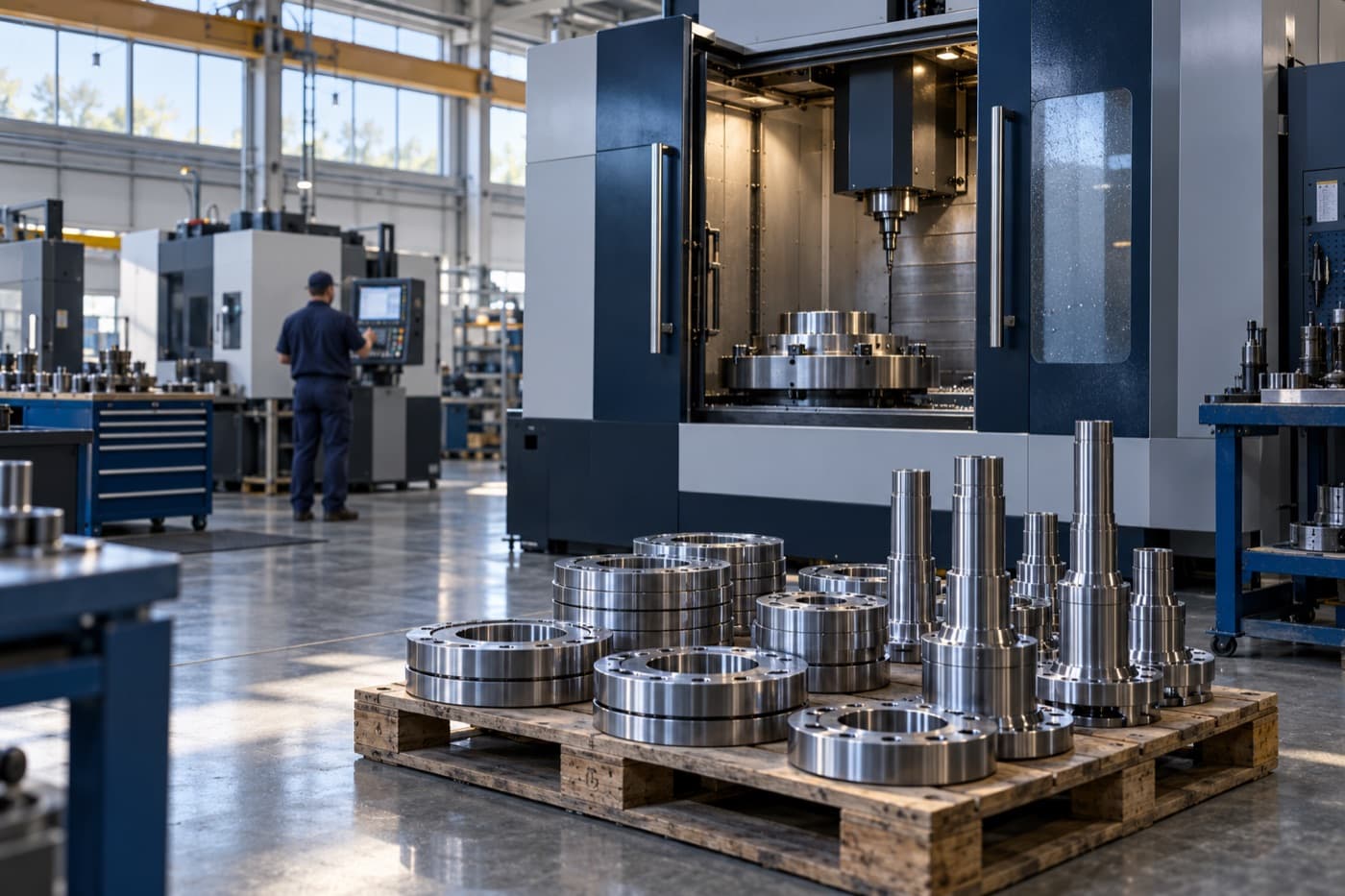
India’s exporters had a turbulent 2025. Tariffs on most Indian goods climbed as high as 50% at one point, then fell away in early 2026, and a new tariff regime took over in July. Yet the official numbers tell a clear story: American buyers bought significantly more from India, not less. For Indian manufacturers deciding whether to invest in the U.S. market, it helps to separate the headlines from the data.
U.S. Census Bureau figures for trade in goods with India, in U.S. dollars:
| 2024 | 2025 | Jan–Aug 2026 | |
|---|---|---|---|
| U.S. imports from India | $87.3B | $103.8B | $68.0B |
| U.S. exports to India | $41.6B | $45.4B | $34.6B |
| Total goods trade | $128.9B | $149.1B | $102.6B |
Services add substantially to the relationship. USTR estimates 2025 U.S. services exports to India at $42.9 billion and services imports from India at $47.6 billion. Both governments have also set a goal, announced in February 2025 and known as “Mission 500”, to more than double total bilateral trade to $500 billion by 2030.
U.S.-reported import values for 2025 show where Indian suppliers are already established. The largest categories:
| Category (HS chapter) | 2024 | 2025 |
|---|---|---|
| Electrical machinery and electronics (85) | $14.1B | $30.1B |
| of which smartphones | $6.9B | $22.0B |
| Pharmaceuticals (30) | $12.5B | $15.1B |
| Machinery (84) | $6.8B | $7.3B |
| Gems, jewelry and precious metals (71) | $11.6B | $6.4B |
| Apparel (61 and 62) | — | $5.0B |
| Organic chemicals (29) | — | $4.1B |
| Textile made-ups (63) | — | $2.9B |
| Iron and steel articles (73) | — | $2.7B |
| Vehicles and parts (87) | — | $2.4B |
Two things stand out. First, the headline growth was driven largely by electronics, especially smartphones, which reflects large manufacturers shifting assembly to India. Second, beyond the headline categories there is a long tail of engineering and industrial products, including machinery, iron and steel articles, auto parts and chemicals, where many small and mid-sized Indian manufacturers compete.
Few trade relationships saw as many tariff changes in such a short period. The key milestones:
| Date | What happened |
|---|---|
| Aug 7, 2025 | A 25% “reciprocal” tariff on most Indian goods takes effect. |
| Aug 27, 2025 | An additional 25% tied to India’s purchases of Russian oil takes effect, bringing most goods to 50%. |
| Feb 2026 | The two governments announce a framework for an interim trade agreement, and the Russian-oil tariff is removed. |
| Feb 20, 2026 | Following a U.S. Supreme Court ruling, tariffs imposed under the International Emergency Economic Powers Act (IEEPA), including the reciprocal tariffs, are ended. |
| Feb 24 – Jul 24, 2026 | A temporary 10% import surcharge applies to most imports from all countries. |
| Jul 24, 2026 | A Section 301 action applies an additional 10% tariff to goods from India, on top of normal duties. Exemptions include Section 232 products and certain pharmaceuticals. |
Data shows where trade is flowing; it doesn’t pick winners for you. In our view, these are the situations where Indian manufacturers are best placed today:
If you’re an Indian manufacturer considering the U.S., start by testing your readiness and getting clear on which buyers to target. Our readiness assessment takes about three minutes, and our India to U.S. guide covers the corridor in more detail. When you’re ready, book a free consultation.
Figures are from official U.S. sources as published in October 2026 and are rounded. This article is general information, not legal, tax or customs advice.
Keep reading
A practical guide for international manufacturers: which U.S. channel your buyers use, how to profile and find distributors, what to agree on, and the mistakes to avoid.

A clear explanation of the U.S. representative model for international companies: the role, its limits, how it compares with a distributor or an employee, and how to measure success.
Free consultation
Tell us about your business and your goals. We'll discuss how MyUSPartner could support your U.S. market entry.